Apera Instruments
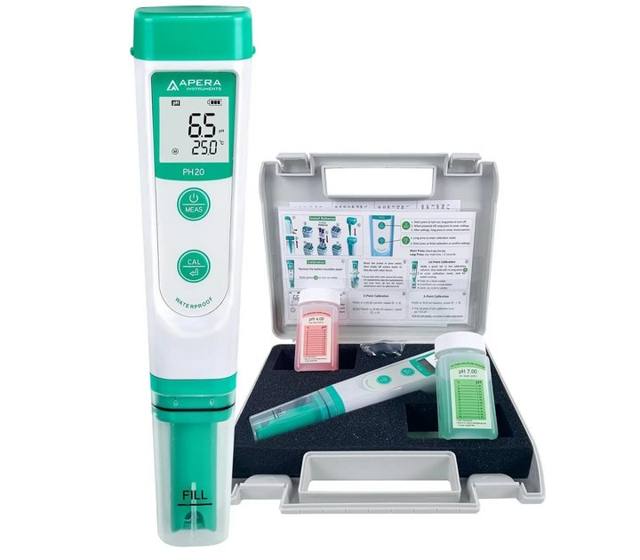
Apera Instruments PH20 pH Tester Kit
Waterproof pocket pH tester kit with automatic calibration and a replaceable probe — the budget benchmark for pH.
pH drift is the silent yield killer — lockout looks like deficiency and sends growers chasing the wrong fix. These are the pH pens, EC/TDS meters, continuous reservoir monitors, calibration buffers and replacement probes worth owning, from pocket pens for a first tent to bench and wall-mount monitors for serious hydroponic rooms.
113 items · prices and stock live at Amazon — tap Show deal to check today's price. Full category: Meters & Testing
Waterproof pocket pH tester kit with automatic calibration and a replaceable probe — the budget benchmark for pH.
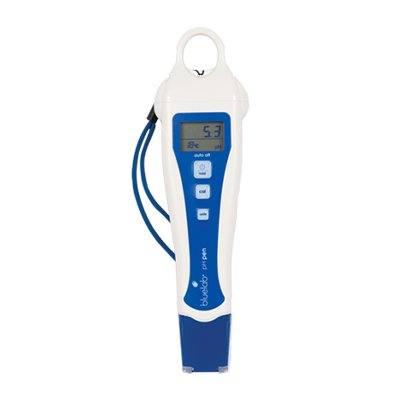
The hydro-shop standard: fully waterproof, backlit display, double-junction probe and auto-off to save the battery.
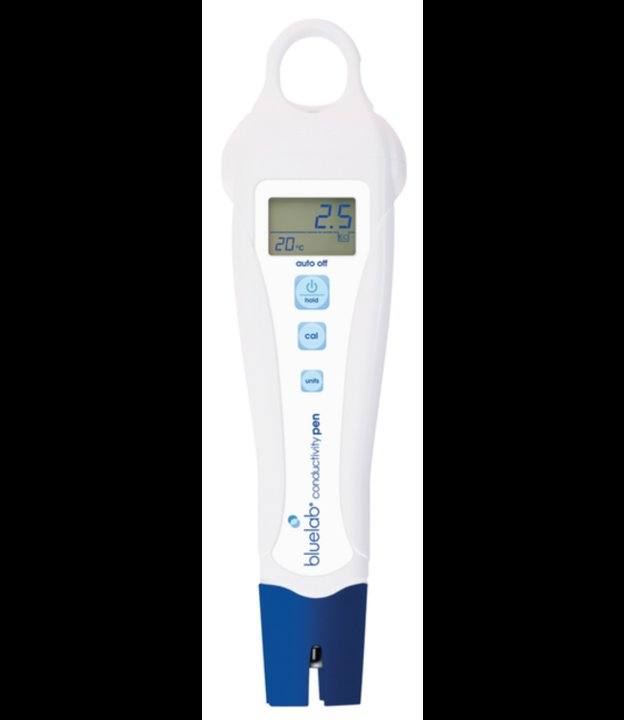
Conductivity pen measuring EC, CF and ppm in 500/700 scales — fully waterproof with a backlit display.
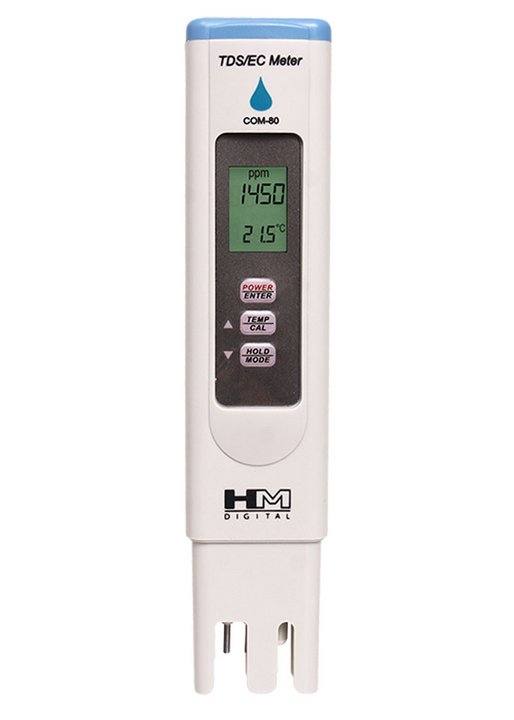
Waterproof meter that reads EC, TDS and temperature with auto-calibration — a tough, affordable combo meter.

The step-up pH pen: replaceable probe, two-point auto calibration, genuinely waterproof.

The EC twin of the PH20 — matched pair for feed mixing in under a minute.

Budget pH pen with manual calibration — the gateway meter that beats drops and strips.
One pen for the whole mix: pH, EC/TDS, salinity and temperature with ATC.

The classic quick TDS check for RO output and reservoir drift.
Analog probe for outdoor beds and houseplants. No batteries, instant moisture reads.
Deep probe for big pots and beds — check the bottom of the root zone, not just the crust.

Measure actual light (PPFD) at canopy height and stop guessing about distance and dimmers.

Budget light meter for comparing corners and shelves. Convert to PPFD with a known factor.
Handheld CO2 reader for sealed rooms, greenhouses and mushroom corners.
App-logging sensors for tent and dry room. Alerts when VPD conditions drift out.
Tiny logging sensor that lives in a jar, tent or dry box and graphs the whole cure.
Wired probe reads inside the tent while the display sits outside. Min/max memory included.

Check sanitizer strength in wash water and system flushes by oxidation-reduction potential.

Verify dechlorination before watering living soil or filling humidifiers.
Backup pH checks that never need calibration — keep a vial in every room.
Single-use calibration packets — fresh solution is the difference between readings and guesses.
Keep pen probes hydrated in storage so they stay fast and accurate.
Standard 1413 uS solution for conductivity pens. Calibrate monthly, trust your feed.

Measure plant sap and fruit sugar — a health and ripeness gauge for serious gardeners.
Leaf-surface temperature in one trigger pull — the VPD number that actually matters.

Clip-on spot checker for quick canopy temperature rounds.

Floating reads for DWC buckets and reservoirs — roots like 65-68F, know yours.

Logs light and temperature — prove your dark cycle is dark and your room is steady.

Chase the tripped circuit and dead outlet yourself: meter, tester and leads in one kit.

See what each light and fan actually costs to run, per day, in dollars.

No batteries, no app — the high/low since you last reset it, at a glance.
Wall monitor that watches pH/EC/temp 24/7 with big digits — the reservoir's dashboard.
The indestructible EC wand every hydro shop owns — dip, read the flashing lights, done.

Two probes, one meter — the Bluelab step up from pens for daily mixing.

GroStar pH pen with a flat/soil-friendly probe option — built for nutrient mixing.

The EC half of the GroStar pair — matched design, replaceable probe.
Hanna's grower pH pen with a renewable junction — hydro-store counter classic.
Stick it in the root zone — direct soil EC without slurry tests.

Bench/portable combo with separate probes — one unit for the whole mix station.

Waterproof pocket pH with double-junction probe — lasts longer in fertilizer solutions.
Tiny pro-grade logging sensor with a serious app — alerts for tent, dry room and jars.

Cold-chain logger that graphs a whole dry/cure — plug into USB, get the PDF.
Bluetooth thermo-hygrometer with app history — the lounge-chair way to check the tent.

Big-dial analog station for the greenhouse wall — no batteries, always on.

Dedicated quantum sensor with a cosine-corrected head — PPFD readings you can trust.

The research-grade PAR meter — the number other meters get compared against.

Grower-priced PAR meter tuned for LED spectrums.
Desktop CO2 reader for sealed rooms and offices that share air with plants.

Logging CO2 monitor that shows the day/night breathing curve of a sealed room.

Greenhouse-brand CO2 monitor with a relay-ready design heritage.

Digital soil pH probe from the Rapitest family — in-ground reads without mixing slurry.
Powered soil probe with a backlit readout — clearer than the free swinging-needle meters.
Two long-probe analog meters — one for the tent, one for the yard.

Floating hydrometer + jar for specific gravity — handy for teas, ferments and checks.
Wide-range refractometer for fruit ripeness and plant sap checks.
Plug-through monitor that shows watts, volts and running cost per device.

Pocket IR gun for leaf and surface temps on scouting rounds.

Stick-on/probe thermometers for reservoirs and tanks — a matched pair.
Apera's premium pocket tester reads to ±0.01 pH with a 3-in-1 probe you can swap when it ages out. Ships in a hard case with calibration buffers and storage solution, so it arrives ready to work.
One pen covers the whole reservoir checklist: pH, conductivity, TDS, salinity and temperature on a backlit dual display. Waterproof body, automatic temperature compensation and a replaceable multi-parameter probe.

A kit-format combo tester that measures pH, EC and TDS with one probe and stores everything — buffers included — in a fitted case. A good single buy for growers tired of juggling separate pens.
A bench meter for the mixing station: stable ±0.01 readings, a probe arm that holds the electrode in the sample, and room for 500 stored readings. Better than a pen when you mix big reservoirs daily.
A slim, fully waterproof pH pen built for quick spot checks in buckets, reservoirs and runoff trays. One-touch calibration and a pocket clip make it the grab-and-go option.
Bluelab's soil pen pushes a spear-tip probe straight into coco, soil or rockwool so you measure the root zone itself, not just the feed. Also reads liquid pH, with a dibber for making consistent probe holes.
A reinforced spear probe that plugs into Bluelab meters and monitors and reads pH directly in the substrate. Built for repeated poking into media without the fragile glass tip of a standard electrode.
Bluelab's connected pen measures pH, EC and temperature and logs every reading to the Edenic app over Bluetooth. Bright dual-line display still works standalone when the phone is in your pocket.

The genuine replacement electrode for Bluelab Combo Meters and Guardian monitors, with a standard BNC connector and 2 m cable. Double-junction design holds up better in nutrient solution than budget glass.

Everything Bluelab wants you using on their probes in one box: pH 4 and 7 buffers, EC 2.77 standard, storage solution, cleaning solution and scrub tools. Regular care is the difference between a 6-month probe and a 2-year probe.
The 2.77 mS/cm conductivity standard Bluelab truncheons and EC pens are calibrated against. Bottled solution stays accurate longer than opened single-use packets in a warm grow room.
A workhorse handheld with the probe on a cable, so the electronics stay dry while the electrode sits in the reservoir. Reads pH and temperature to ±0.02 with two-point calibration.

Milwaukee's simpler PRO handheld: fast 0.01-resolution pH readings, manual two-point calibration and a replaceable probe. A step up from disposable pens without benchtop money.
Fully waterproof pocket tester with a double-junction electrode you can replace instead of binning the whole meter. Large digits, automatic temperature compensation and push-button calibration.

Waterproof combo pen covering EC, TDS and temperature with a replaceable graphite sensor that shrugs off nutrient salts. Graphite electrodes do not corrode the way metal pins do in fertilizer solution.
Mount it by the reservoir and watch pH around the clock: continuous display, a settable alarm range, and a probe that lives in the tank. Catches overnight drift that a twice-a-day pen check misses.
A monitor that acts: when reservoir pH climbs past your setpoint it powers a dosing pump or CO2 regulator through its switched outlet, then stops at target. The entry point to automated pH control.
Measures dissolved oxygen in reservoirs and DWC buckets, where roots suffocate quietly when air pumps fail or water warms up. Galvanic probe needs no warm-up polarization time.

A bench-style ORP meter for checking sanitizer strength in irrigation lines and reservoir sterilization routines. Far more repeatable than the pocket ORP pens when you are dialing in peroxide or hypochlorous doses.
The single-point buffer most growers burn through fastest, in a proper 230 ml lab bottle instead of sachets. Pair it with a 4.01 bottle for a full two-point calibration.
Hanna's grower combo pen reads pH, EC, TDS and temperature, and the pH junction pulls out to clear clogs — the number-one killer of hydroponic electrodes. Cal-Check warns you when the probe needs attention.
A handheld meter on a quick-connect DIN probe that measures pH, EC and TDS in one dip. Rugged, splash-proof housing made for greenhouse benches and mixing rooms.
A continuous wall monitor with a big green LED readout you can read across the room, plus high/low alarms for pH and EC. The probe stays in the reservoir so drift never sneaks up between hand checks.
The updated pHep pocket tester with 0.01 resolution and a renewable cloth junction — pull out a fresh section when readings slow down instead of replacing the meter. Waterproof and pocket-cheap to run.
A simple, tough TDS pen for checking source water and mixed nutrients, with an exposed temperature sensor for honest automatic compensation. Graphite sensor resists the corrosion that kills pin-style testers.

The soak that rescues slow, drifting pH electrodes: 15-20 minutes strips the nutrient film and salt crust that calibration alone cannot fix. Cheap insurance before you write off a probe as dead.
A waterproof pH meter with a replaceable sensor, on-screen calibration and simultaneous temperature readout. Holds calibration well and survives being dropped in the reservoir better than most pens.
HM Digital's budget pH pen done right: waterproof, one-touch calibration at pH 7 with included buffer, and a low-battery indicator so it never dies silently mid-mix.

The sealed, professional sibling of the COM-80: waterproof housing, three conductivity ranges, replaceable sensor and both KCl and NaCl TDS modes. Built for daily commercial use.
A no-frills TDS pen for the two checks that matter most: incoming tap or RO water, and finished nutrient mix. Auto-off, hold function and a price that makes it a fine backup meter.
Plumbs into your RO unit and shows TDS before and after the membrane at once, so you know the day the membrane gives up instead of guessing from plant symptoms. Battery powered, push-to-read.
Certified NaCl standards for checking TDS and EC pens against a known value. If your pen reads the standard wrong, every reservoir you mix is wrong by the same amount.
A full starter kit: 0.01-resolution meter, buffer packets for three-point calibration, and a carry case. Automatic temperature compensation keeps readings honest between cold well water and warm reservoirs.
A hydroponics-focused pH pen with three-point automatic calibration and a backlit screen you can read in a dim tent. Recognizes buffer solutions automatically so calibration takes under a minute.
YINMIK's companion conductivity pen covers EC, TDS and temperature with a hold button for catching the reading in awkward reservoir corners. A sensible matched pair with their pH pen.
One of Amazon's long-running budget pH pens: 0.01 display resolution, two-point calibration and buffer packets in the box. A realistic first meter or a glovebox spare for the main one.
The ExStik's flat electrode reads pH on surfaces and in tiny samples where bulb probes cannot go — runoff on a tray, a soaked cube, a drop of feed. Waterproof, with a memory that stores 15 readings.

A four-parameter stick meter covering conductivity, TDS, salinity and temperature with a self-cleaning sensor cap. Autoranging keeps it simple for growers who just want the number.
Oakton's premium pocket tester uses a double-junction sensor that tolerates nutrient contamination longer between cleanings, with true ±0.01 accuracy. Floats if dropped in the tank.

The conductivity member of Oakton's EcoTestr family: pin-style sensor, waterproof body and push-button calibration. Covers EC for feeding charts and TDS for source-water checks.
LaMotte's classic reagent kit tests soil pH, nitrogen, phosphorus and potassium with color comparators and enough supplies for repeated tests. The lab brand schools and extension offices have used for decades.
Scoop soil, mail the prepaid envelope, and get a real laboratory report with pH, macro and micronutrients plus amendment recommendations by weight. The definitive answer when pen-and-probe soil guesses disagree.
The old-school drop test: fill the vial, add drops, match the color. No batteries, no calibration, nothing to drift — every grower should own one as a sanity check on their electronic meter.
Liquid reagent tests for growers on well, rain or aquarium-sourced water: high and low range pH plus ammonia, nitrite and nitrate, hundreds of tests per box. Far more accurate than dip strips for source water.
Seventeen checks on one strip — pH, hardness, chlorine, lead, iron, copper, nitrates and more — plus two bacteria vials in the box. The fast way to profile a new water source before you build a feeding program on it.
A digital refractometer that reads Brix at the press of a button and removes the squint-at-the-line guesswork of optical models. Sap and plant-juice Brix is a quick plant-health and flavor indicator at harvest.
An optical refractometer scaled for salinity and specific gravity instead of sugar — the right tool for checking brackish mixes, salt-based additives and aquarium water used in reef-style mineral blends. ATC keeps temperature out of the reading.
A commercial-grade analog moisture meter on a 24-inch stem that reads moisture deep in beds, big pots and outdoor plots where surface checks lie. No batteries — the probe generates the signal itself.
A probe that reports soil moisture to your phone through an ECOWITT gateway, so you can watch dry-down curves between waterings instead of poking the soil. Runs about a year on one AA battery.
Bluelab's handheld Pulse reads pore EC, moisture content and temperature directly in the substrate with one press against the media. It measures what roots actually sit in — the number feed charts cannot tell you.
Proper glass cylinders for measuring concentrates accurately — thin liquids read to the line instead of the sloppy guesswork of a kitchen jug. Five sizes cover everything from additives by the milliliter to full mixes.
Heat-safe glass beakers for warming, dissolving and pre-mixing nutrients before they hit the reservoir. Graduated markings, pouring spouts and a size for every step of the mixing bench.

Disposable graduated pipettes for pulling samples, dosing drops and moving calibration liquids without contaminating the bottles. At 100 to a bag they are the cheapest lab habit a grower can pick up.
A universal glass pH electrode with a standard BNC plug that fits most monitors, controllers and bench meters. The standard rescue when a continuous monitor starts drifting and a cleaning soak does not bring it back.
The genuine Apera replacement sensor for PH60 testers: unscrew the tired probe, fit the new one, recalibrate and the meter reads like new. Keeping a spare on the shelf means zero downtime mid-cycle.